
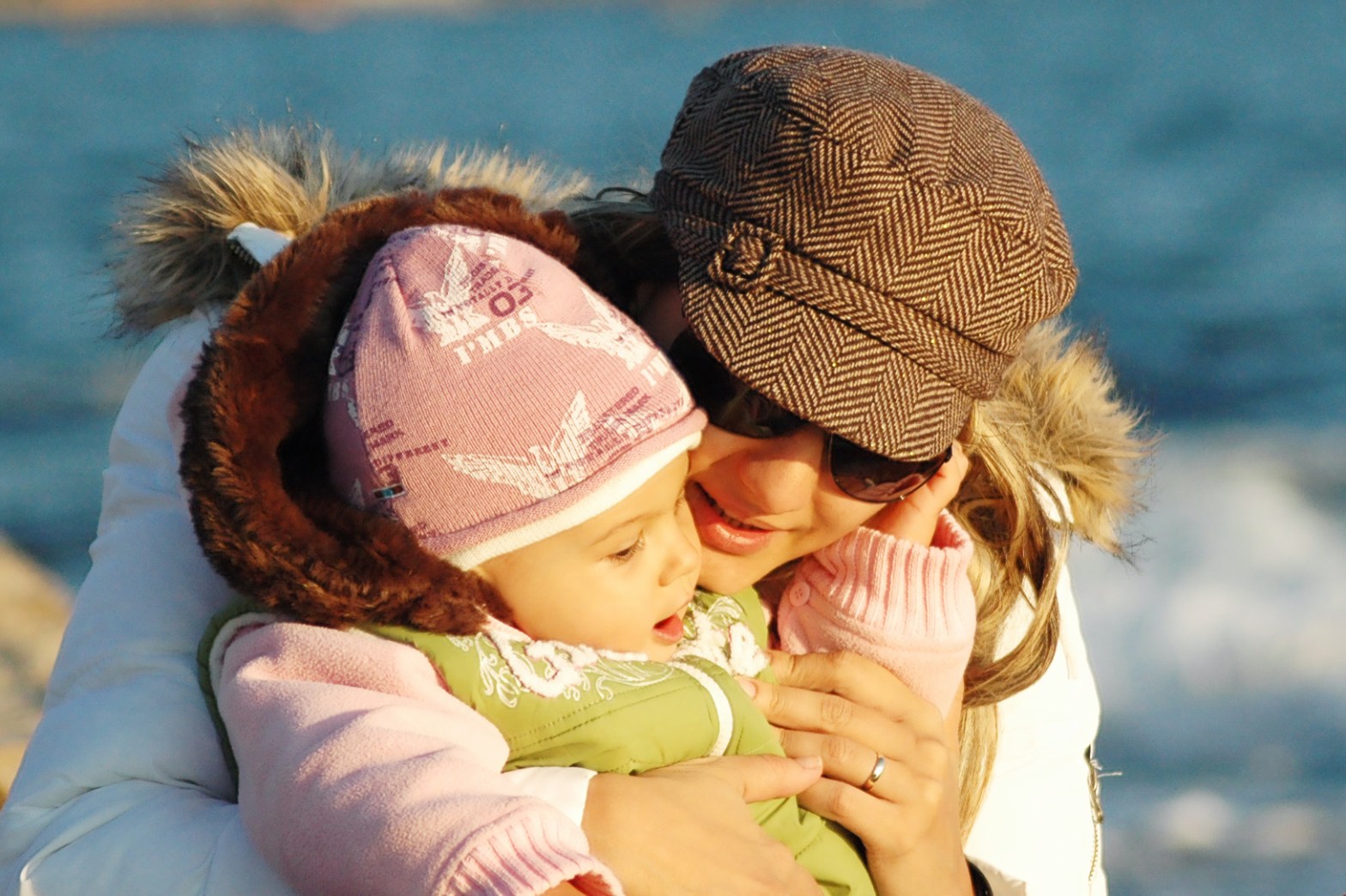
As parents and professionals who work with children with hearing loss, we become expert listeners and communication decoders. That endless string of syllables? We can interpret that! That mosh of real words and unintelligible phonemes? No problem, we’ve got it covered. With our familiar ears, we often know what our children want to say, evenContinue reading “Don’t Be Too Good of a Listener”
Category Archives: Elizabeth Rosenzweig MS CCC-SLP LSLS Cert. AVT
You’re Not Getting Paid By the Word: Hanen Program Presentation
On Friday, October 8, 2010, I attended a presentation called “Parent/Caregiver-Implemented Interactive Language Intervention: Introduction to the Hanen Approach” by Toby Stephan, M.A., CCC-SLP. The presentation described the Hanen Program, a Canadian intervention designed to help parents of children with global language delays. The program, similar to a Listening and Spoken Language approach, acknowledges that parents are theirContinue reading “You’re Not Getting Paid By the Word: Hanen Program Presentation”
Praise the Process, Not the Product
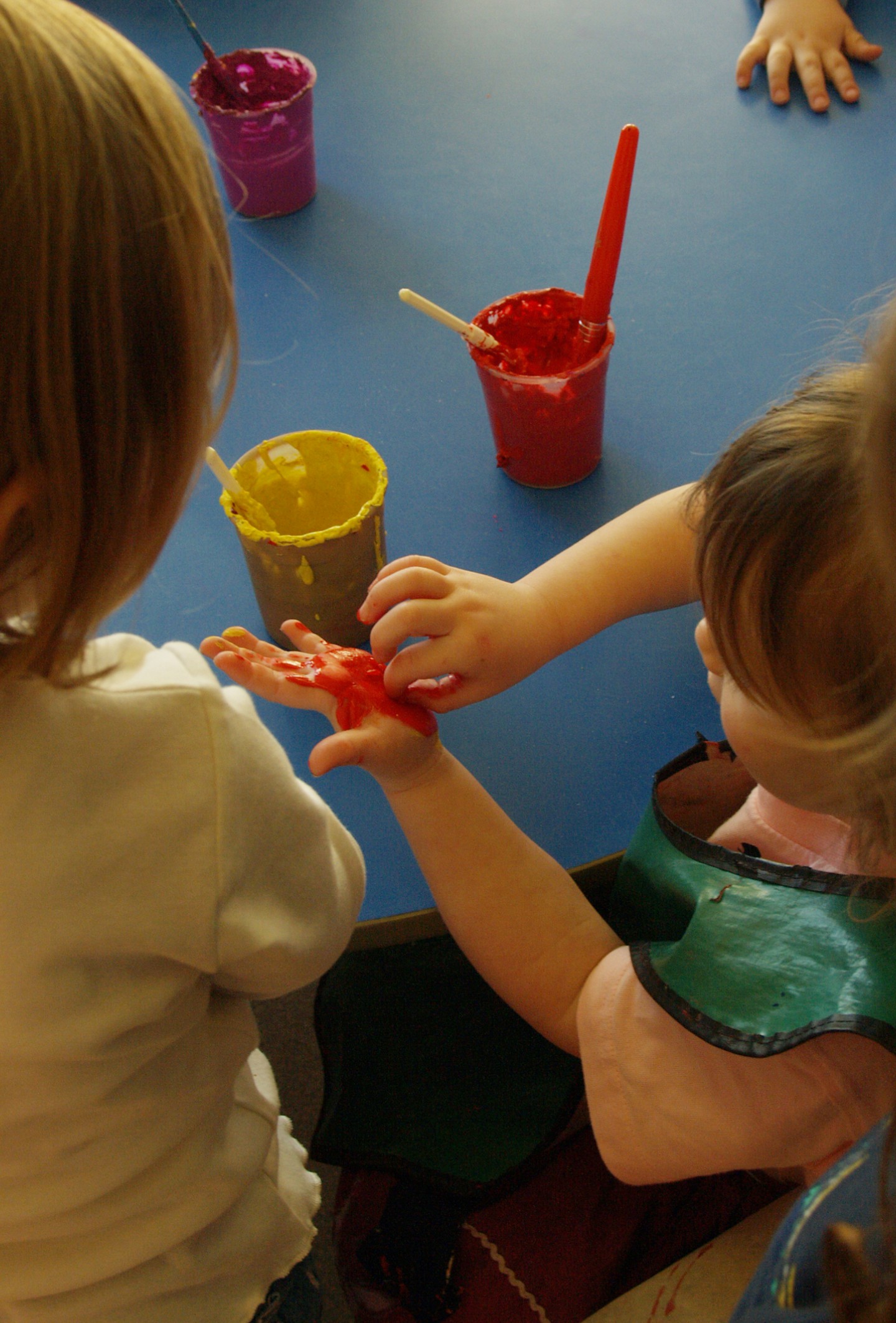
When we give children praise like, “Good job!”, it may make them feel good for a moment, but what does it really tell them about the job they’ve done? In reality, it only tells them that they’ve completed the task to our satisfaction. They’ve gained the approval of an adult, which seems to be the only thingContinue reading “Praise the Process, Not the Product”
Words Are Free

One of the greatest programs for improving your child’s speech, language, and listening is at your disposal right this very minute. It costs nothing, takes little time, and anyone can implement the program. The results are proven, and they are powerful.
Inclusion

“Inclusion is more than just geography”
Bed Time, Bath Time, Swim Time

What do these three have in common? They’re all times when wearing a hearing device can be difficult, if not impossible and not allowed at all! Great new innovations in hearing technology are making :off the air” times fewer and farther between, but there may be some situations in which children cannot wear their equipment. Continue reading “Bed Time, Bath Time, Swim Time”
Telephone Practice
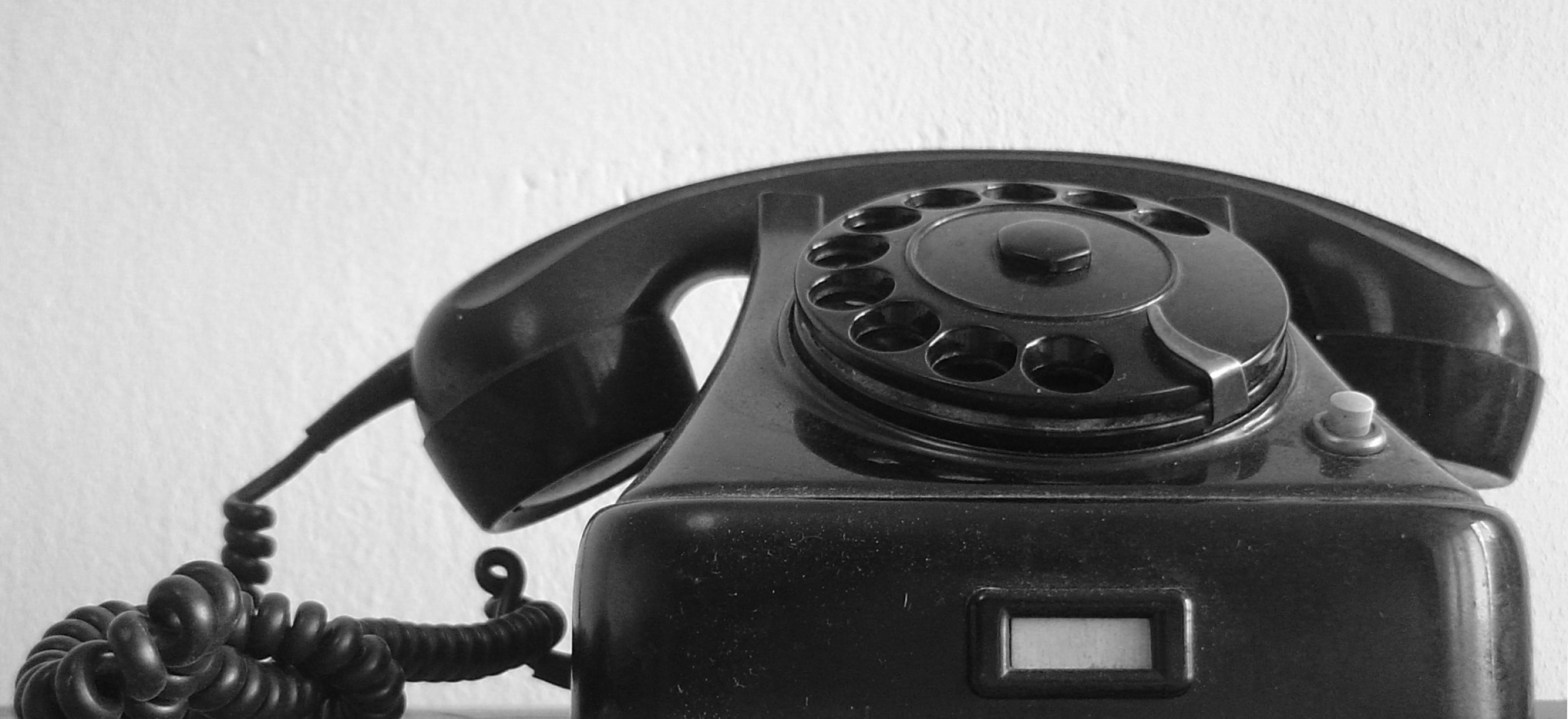
Being able to use the telephone represents both independence and connection for people with hearing loss. It means being able to make calls for work without assistance, being able to give and receive information, and being able to make emotional connections with friends and family from miles away. Learning, or re-learning, to use the phoneContinue reading “Telephone Practice”
FM and Soundfield Systems
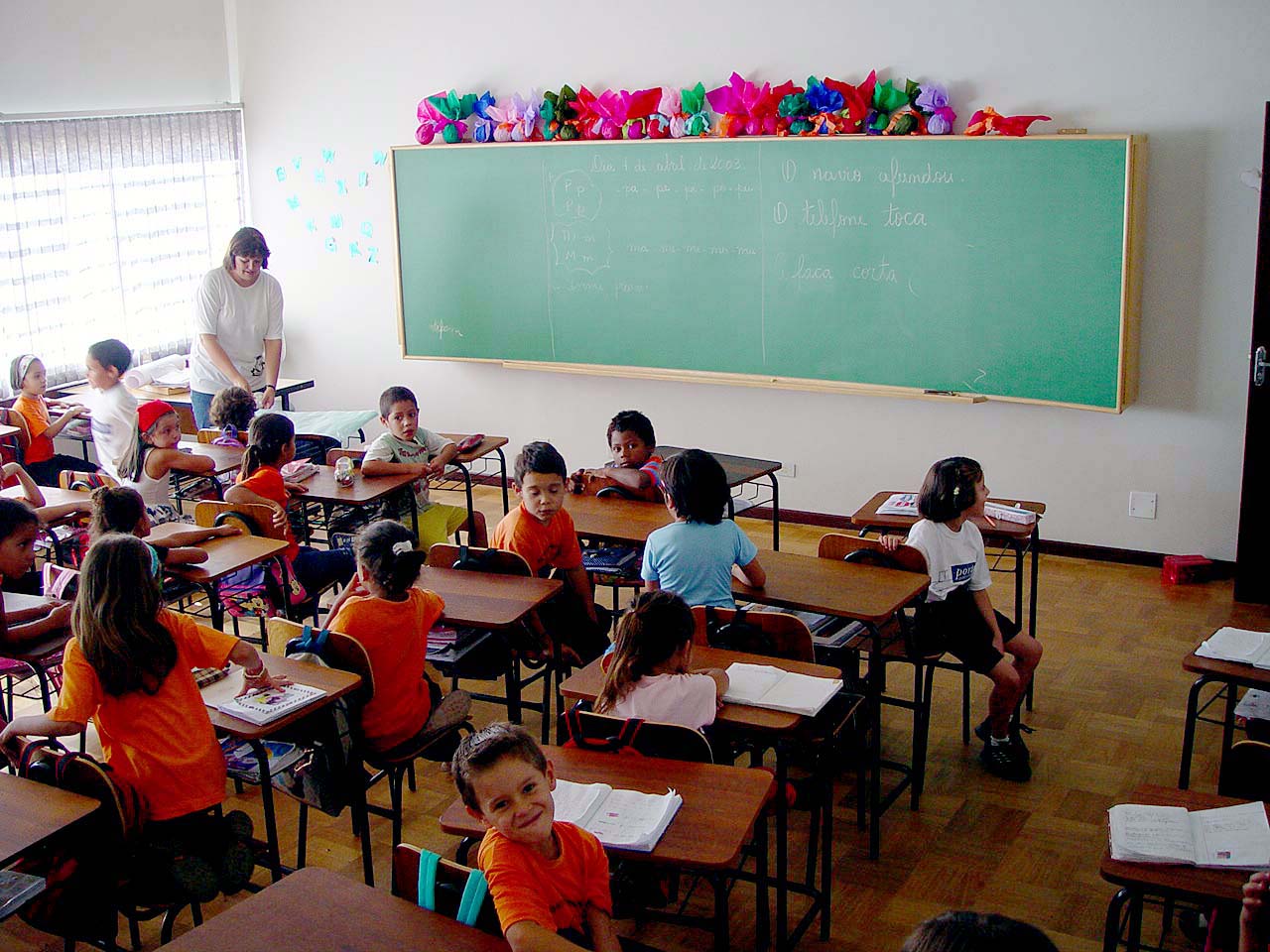
I want to start this post by saying that BOTH FM Systems and Soundfield Systems can be excellent options for students with hearing loss. Both devices function to increase the signal-to-noise ratio, making the relevant signal (i.e. the teacher’s voice) louder than the noise and distraction (i.e. other children talking, chairs scraping the floor, etc.).Continue reading “FM and Soundfield Systems”
Deaf+ Kids

STATISTICS: WHO ARE THESE CHILDREN?
Turning Three: Transition from Early Intervention

Part C of the Individuals with Disabilities Education Act (IDEA) stipulates that states must provide Early Intervention programs for children with disabilities/delays birth to age three and their families. Once a child qualifies (criteria vary from state to state, usually, the presence of a significant hearing loss is enough to qualify a child for PartContinue reading “Turning Three: Transition from Early Intervention”
 Elizabeth A. Rosenzweig