
In this post: What Does Acoustic Accessibility Look Like and The Impact of Auditory Verbal Therapy on Literacy Skills.
Tag Archives: Hearing Aids
What to Do While Waiting for Your Baby’s Cochlear Implant

Currently, the United States Food and Drug Administration recommends cochlear implants for children twelve months of age or older. While many surgeons are operating on children under this age (remember, it is just a guideline, not a rule or law, and research has shown no increased safety concerns in operations before twelve months; see Dettman et. al,Continue reading “What to Do While Waiting for Your Baby’s Cochlear Implant”
Sports and Hearing Loss

Having a hearing loss should not prevent a person from participating in sports and activities with his or her hearing peers. Here are a few tips and tricks to help make your or your child’s athletic experience fun!
Dominican Republic 2011: Part II
On day two at the school, I started by learning some great new songs that I can’t wait to bring back and modify for English speakers! Then, I observed a reading lesson. It was very clear to me how much the teachers cared for their students, but it was equally clear that there are manyContinue reading “Dominican Republic 2011: Part II”
Telephone Practice
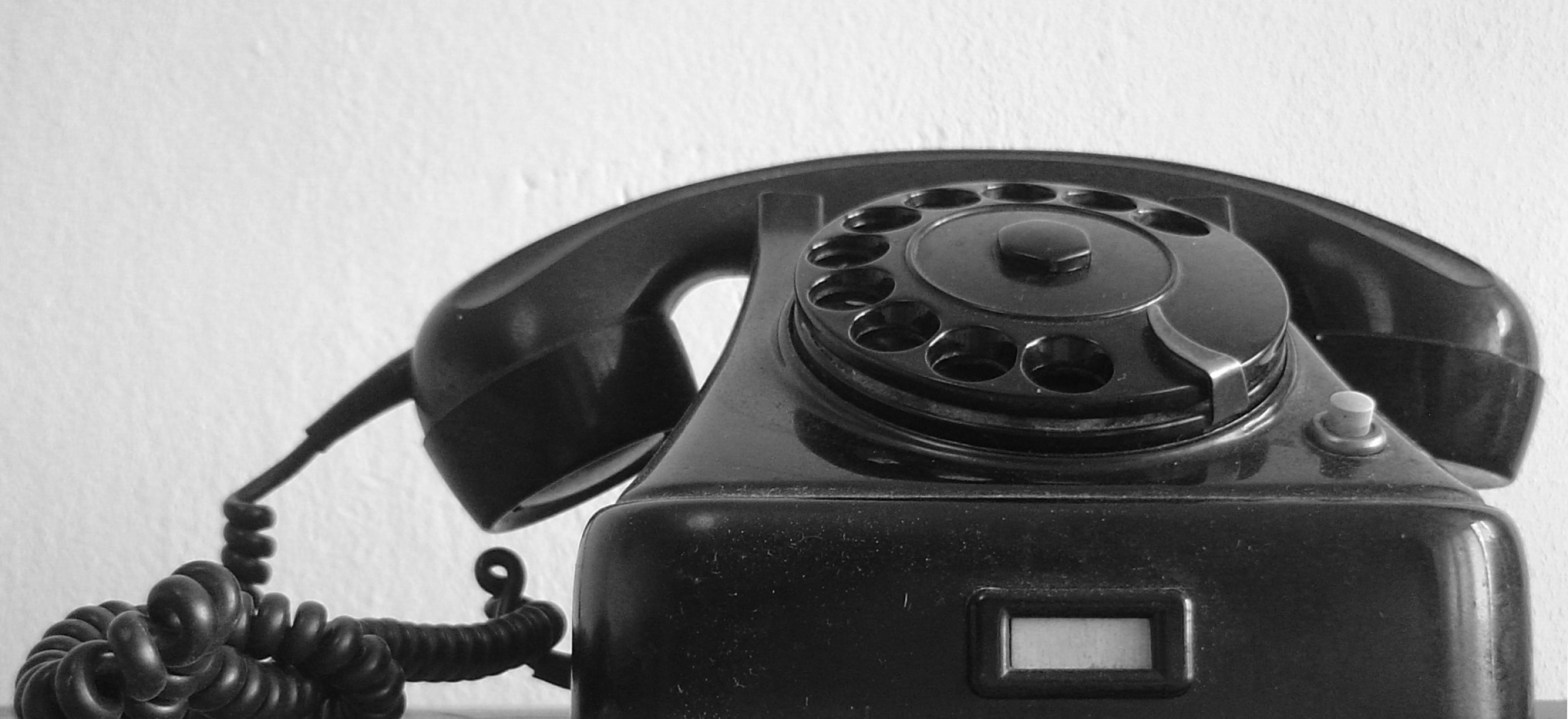
Being able to use the telephone represents both independence and connection for people with hearing loss. It means being able to make calls for work without assistance, being able to give and receive information, and being able to make emotional connections with friends and family from miles away. Learning, or re-learning, to use the phoneContinue reading “Telephone Practice”
FM and Soundfield Systems
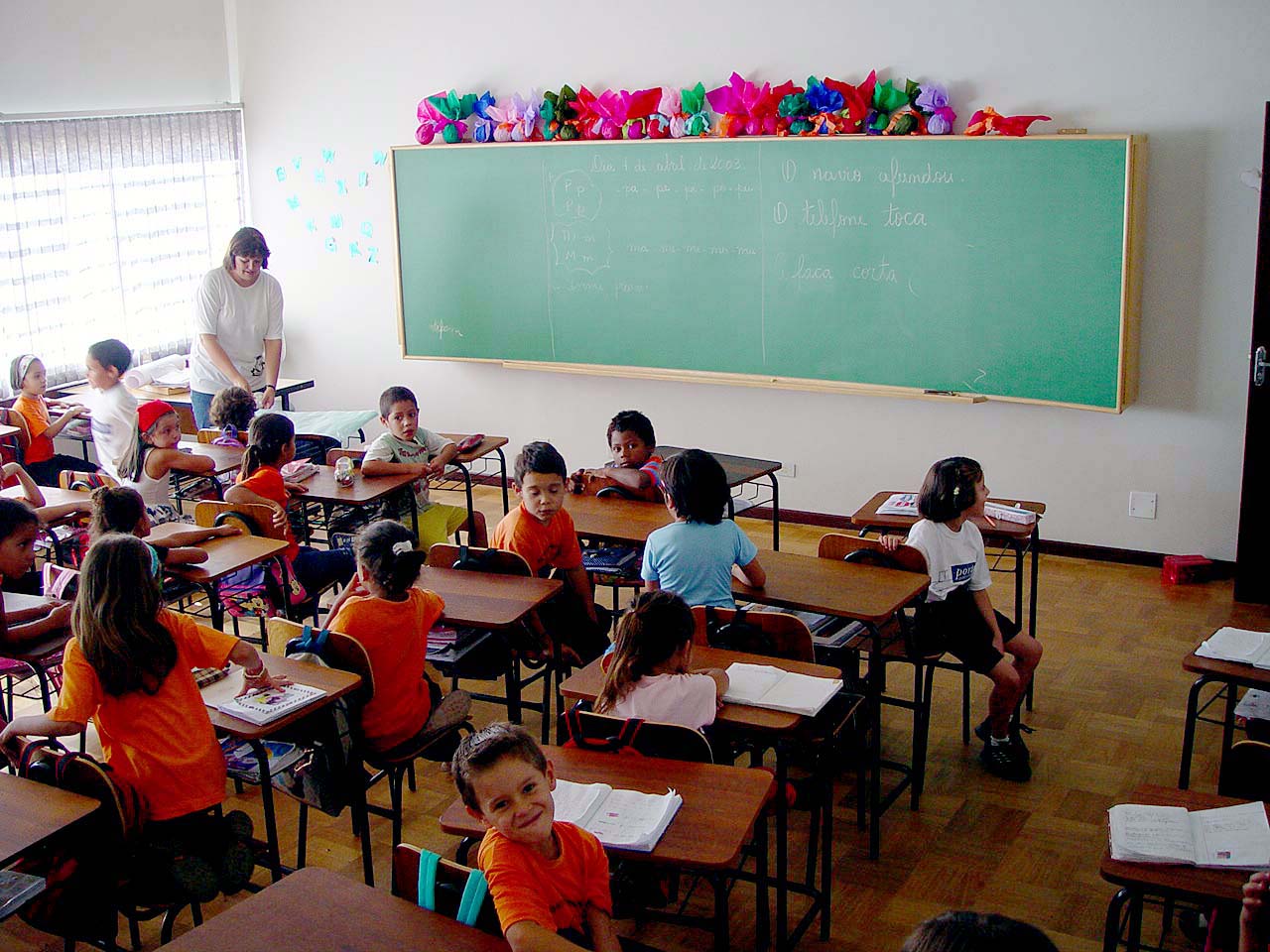
I want to start this post by saying that BOTH FM Systems and Soundfield Systems can be excellent options for students with hearing loss. Both devices function to increase the signal-to-noise ratio, making the relevant signal (i.e. the teacher’s voice) louder than the noise and distraction (i.e. other children talking, chairs scraping the floor, etc.).Continue reading “FM and Soundfield Systems”
AG Bell 2010: Monday Concurrent Sessions
Auditory Neuropathy and Cochlear Implants: Theory and Treatment Caroline Arendt, CCC-A; University of Michigan Cochlear Implant Program Kelly Star, M.A., CCC-SLP; University of Michigan Cochlear Implant Program
Costa Rica 2010: Tuesday
We began our trip today at Centeno, a school for deaf children in Costa Rica that uses sign language. The school is just one department on the campus of the Center for Inclusive Education in CR. I’m not so sure what they mean by “inclusive,” though, because it was a school of all deaf children,Continue reading “Costa Rica 2010: Tuesday”
Costa Rica 2010: Monday
We began our day today at Kinder Papillon, an inclusive preschool that educates children with hearing loss (along with some children with other disabilities) and their hearing peers. The children in the school range from about age 2 until pre-kindergarten age, at which point the children are mainstreamed into their home schools. While at KinderContinue reading “Costa Rica 2010: Monday”
Deaf Education in Costa Rica
Two weeks ago, I attended an excellent presentation on deaf education in Costa Rica. The presenters were listening and spoken language educators, one of whom completed her training at Fontbonne in St. Louis, MO, USA. Together with other listening and spoken language professionals in Costa Rica, they are active members of Adis, an organization dedicated to:
 Elizabeth A. Rosenzweig