

What do these three have in common? They’re all times when wearing a hearing device can be difficult, if not impossible and not allowed at all! Great new innovations in hearing technology are making :off the air” times fewer and farther between, but there may be some situations in which children cannot wear their equipment. Continue reading “Bed Time, Bath Time, Swim Time”
Author Archives: earosenzweig
Telephone Practice
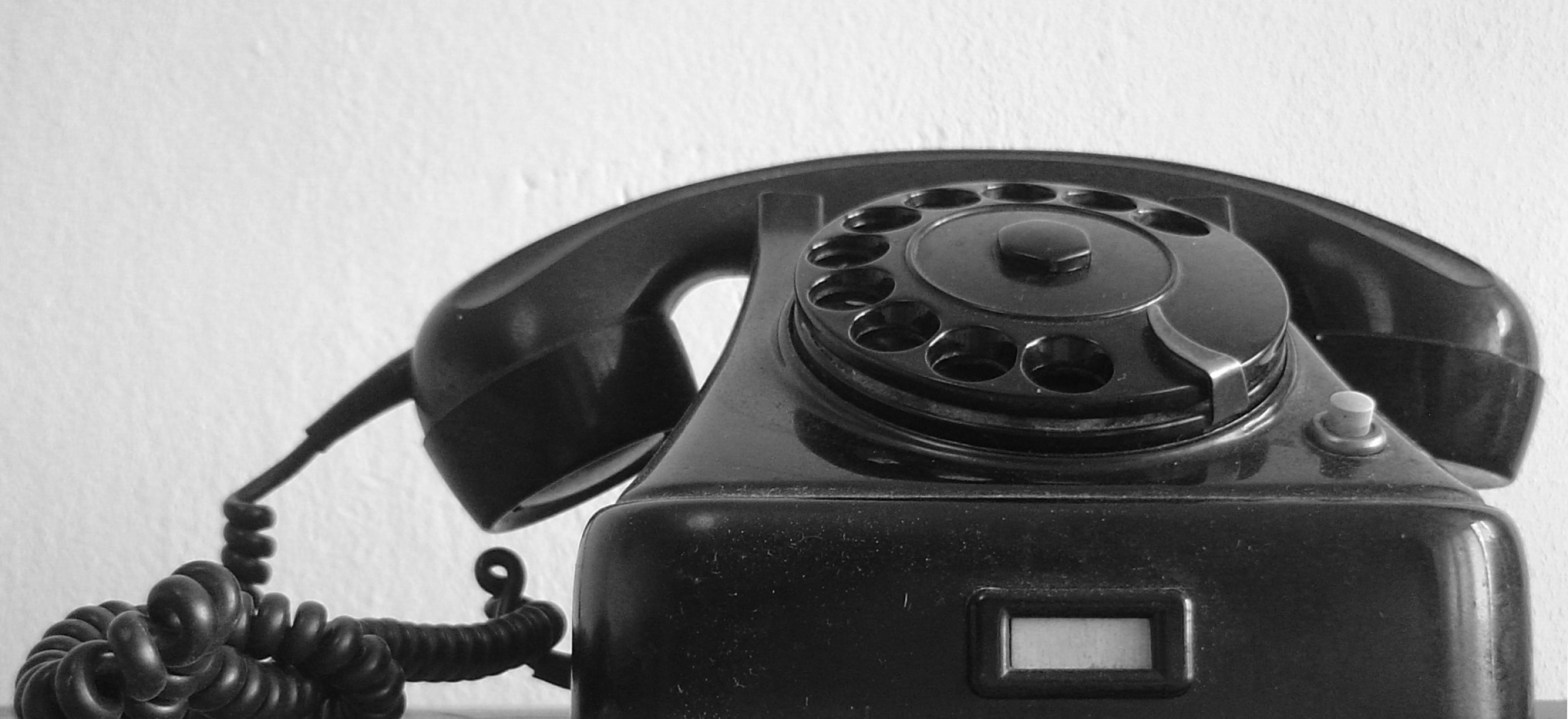
Being able to use the telephone represents both independence and connection for people with hearing loss. It means being able to make calls for work without assistance, being able to give and receive information, and being able to make emotional connections with friends and family from miles away. Learning, or re-learning, to use the phoneContinue reading “Telephone Practice”
FM and Soundfield Systems

I want to start this post by saying that BOTH FM Systems and Soundfield Systems can be excellent options for students with hearing loss. Both devices function to increase the signal-to-noise ratio, making the relevant signal (i.e. the teacher’s voice) louder than the noise and distraction (i.e. other children talking, chairs scraping the floor, etc.).Continue reading “FM and Soundfield Systems”
Deaf+ Kids

STATISTICS: WHO ARE THESE CHILDREN?
Turning Three: Transition from Early Intervention

Part C of the Individuals with Disabilities Education Act (IDEA) stipulates that states must provide Early Intervention programs for children with disabilities/delays birth to age three and their families. Once a child qualifies (criteria vary from state to state, usually, the presence of a significant hearing loss is enough to qualify a child for PartContinue reading “Turning Three: Transition from Early Intervention”
Be an Informed Consumer

Is my child receiving good services from our teacher of the deaf/SLP/AVT/early interventionist? Well, how on earth would I know? How can I tell “good” therapy when I see it? How do I choose between Program A and Program B for my child? Where do I go from here?
AG Bell 2010: Monday Concurrent Sessions
Auditory Neuropathy and Cochlear Implants: Theory and Treatment Caroline Arendt, CCC-A; University of Michigan Cochlear Implant Program Kelly Star, M.A., CCC-SLP; University of Michigan Cochlear Implant Program
AG Bell 2010: Friday Short Course
Adults Aren’t Just Big Babies: Guiding and Coaching Families in the Listening and Spoken Language Journey Teresa H. Caraway Ph.D., CCC-SLP, LSLS Cert. AVT
AG Bell 2010: Friday Concurrent Sessions
A Longitudinal Study of Auditory-Verbal Effectiveness Dimity Dornan, A.M., Ba.Sp.Th., F.S.P.A.A., LSLS Cert. AVT; Hear and Say Centre Carol Flexer, Ph.D., CCC/A, LSLS Cert. AVT; University of Akron
AG Bell 2010: Saturday Concurrent Sessions
Essential Practices for Listening, Language, and Literacy Lyn Robertson, Ph.D.; Denison University Denise Wray, Ph.D., CCC-SLP, LSLS-Cert. AVT; University of Akron Carol Flexer, Ph.D., CCC-A, LSLS Cert. AVT; University of Akron
 Elizabeth A. Rosenzweig