

What should I do with previous generations of CI processors that I have around the house? A family member passed away and now I have her hearing aids. Who could use them? What should I do with extra batteries, cables, and accessories that I don’t need anymore? My child recently got bilateral CIs and doesn’t need hisContinue reading “What Do I Do With Old Hearing Equipment?”
Tag Archives: Hearing Aids
AG Bell 2014: Maximizing Brain Adaptability Research Symposium
Maximizing Brain Adaptability: Enhancing Listening for Language Development, Speech Perception, and Music Appreciation Beverly Wright, Ph.D., Northwestern University, School of Communication Kate Gfeller, Ph.D., University of Iowa, School of Music Pamela Souza, Ph.D., Northwestern University, School of Communication Emily Tobey, Ph.D., University of Texas at Dallas, School of Behavioral and Brain Sciences
Helping Classmates Understand Hearing Loss

In the past month, I’ve had some incredible opportunities to spend time with a group of children I don’t often see — children with typical hearing — teaching them about hearing loss and how better to understand their classmate who is deaf. They’ve taught me a lot about hearing loss from a child’s-eye view andContinue reading “Helping Classmates Understand Hearing Loss”
Ear Care Tips

The World Health Organization has designated today, March 3rd, as International Ear Care Day. According to the WHO, approximately 50% of cases of hearing loss worldwide could be avoided through primary prevention techniques.
Great Expectations: Progress with a Cochlear Implant

Like any big decision, getting a cochlear implant involves just a little bit of a leap of faith. No matter how much you research, there is no way to know 100% what will happen with the surgery, activation, or rehabilitation. By and large, results are fantastic, but how can you know what to expect forContinue reading “Great Expectations: Progress with a Cochlear Implant”
Borderline Cochlear Implant Candidates

For many who receive a CI, the choice is clear-cut: hearing aids simply do not provide sufficient benefit for language and listening to people with profound hearing loss when compared to the performance of a cochlear implant. But what about hearing aid users who are doing “well enough” with their current technology, but are onContinue reading “Borderline Cochlear Implant Candidates”
Everything You Never Wanted to Know About Ear Wax

Yuck! Let’s talk about ear wax, otherwise known as cerumen, a gross fact of life that actually has some pretty incredible properties!
Binaural, Bimodal, Bilateral
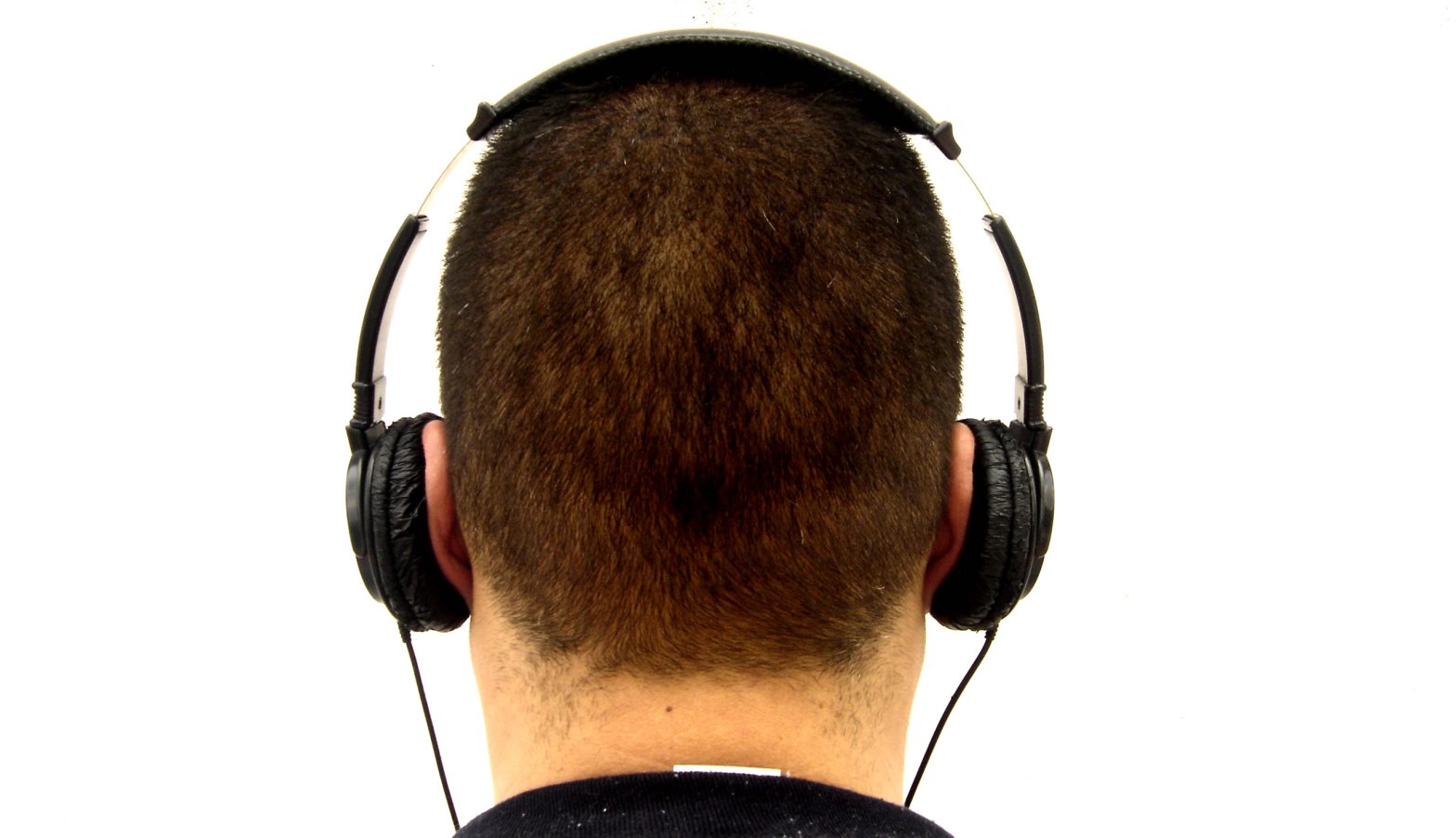
BINAURAL Binaural means the ability of the auditory system to combine input from both ears to the brain.
What Is an Audiologist?
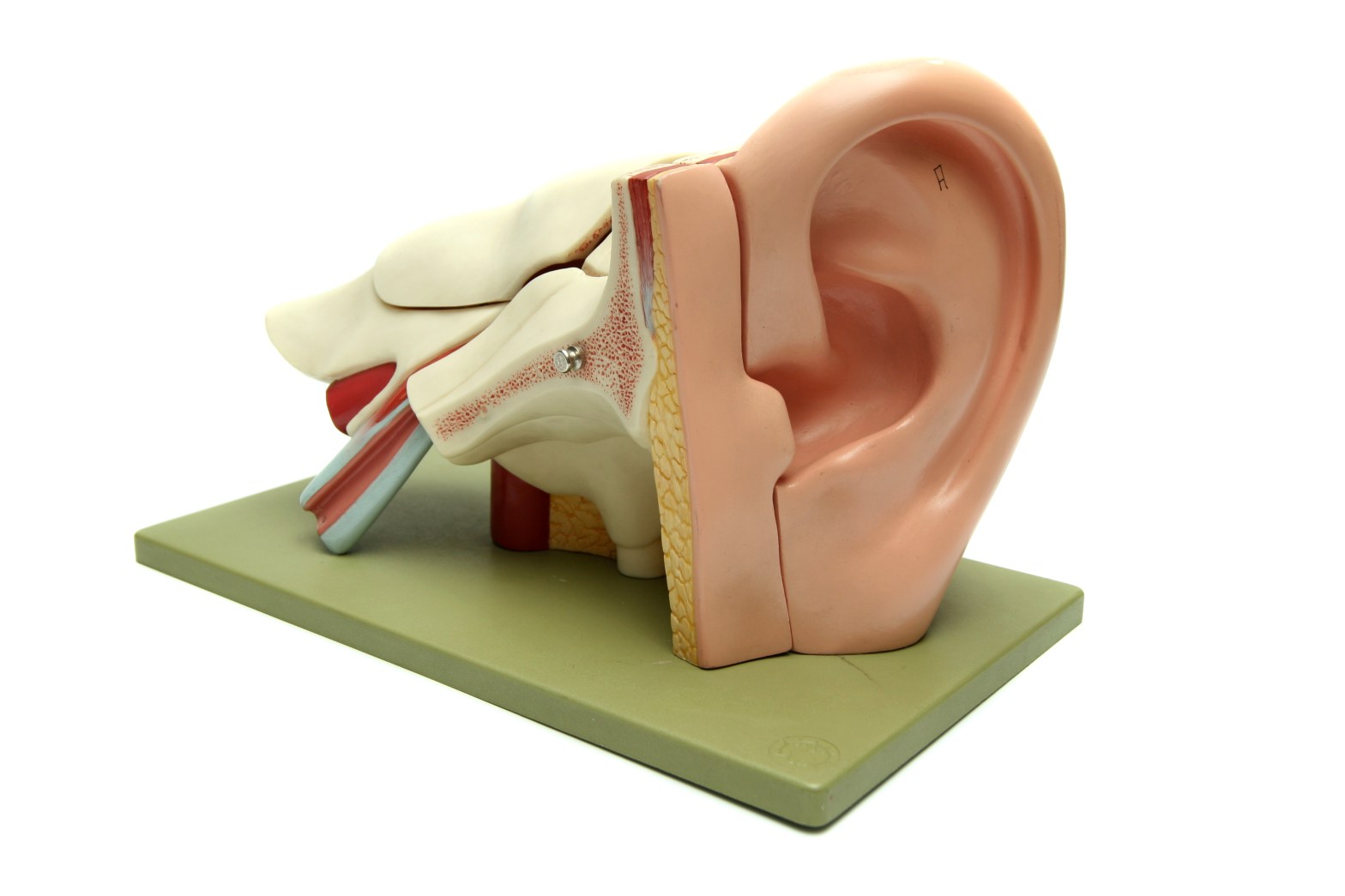
AUDIOLOGIST: An audiologist is a professional trained to diagnose and treat non-medical problems of hearing and balance. The entry degree for audiologists is either a clinical doctorate (AuD) or research doctorate (PhD), though audiologists used to be able to practice with a Master’s Degree, so some have been grandfathered in.
AG Bell 2012: Research Symposium
CLICK HERE for presentation handouts.
 Elizabeth A. Rosenzweig