
In this post: What Does Acoustic Accessibility Look Like and The Impact of Auditory Verbal Therapy on Literacy Skills.
Tag Archives: Literacy
Let’s Make a Book!

If you give a therapist a book… she’s going to want to make one more. Here are some ideas for creating books in therapy to help develop children’s language and pre-literacy skills, as well as to encourage home carry-over of therapy objectives.
Phonological Awareness for Children with Hearing Loss
Phonological Awareness is the ability to detect, identify, and manipulate sounds and syllables in words. Phonological Awareness skills are CRUCIAL predictors of a child’s reading success. Children with hearing loss CAN develop phonological skills through listening.
Books with Lots of Learning to Listen Sounds

The Learning to Listen Sounds are one of the first things a parent learns when introduced to Auditory-Verbal Therapy. Therapists with a caseload of many new listeners repeat these sounds dozens of times a day. While a box full of Learning to Listen Sound toys is great, pairing these sounds and toys with a literacyContinue reading “Books with Lots of Learning to Listen Sounds”
Advanced Reading Comprehension
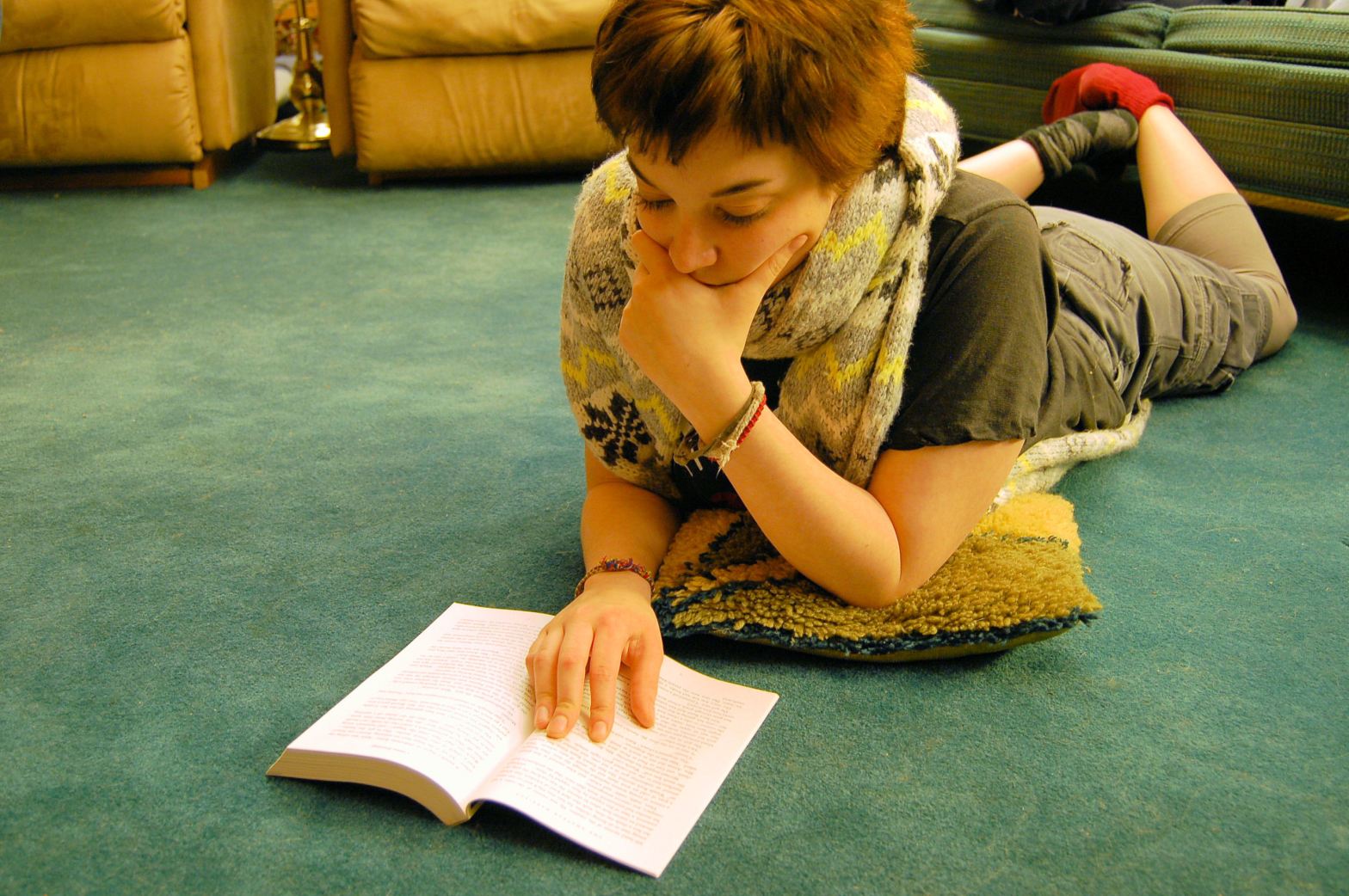
If your child has mastered foundational listening and spoken language skills and is good at early reading comprehension, it’s time to take the task away from parent/teacher/therapist-read stories and to give the child tools for independent reading and comprehension of more complex written information.
Early Reading Comprehension

Reading comprehension is the ability to understand written text and use that information in meaningful ways. It’s a skill that can be difficult for many children, including those with hearing loss, but it is an important one to master.
10 Quick and Easy Things You Can Do Today to Help Your Child Learn to Listen and Talk

Having a child with hearing loss can be overwhelming at times. Between the therapy appointments, new jargon to learn, and keeping those hearing aids/cochlear implants on, it’s easy to drown in the routine of each day. In the early stages, it often seems like an impossible dream that your child will one day learn toContinue reading “10 Quick and Easy Things You Can Do Today to Help Your Child Learn to Listen and Talk”
Books for Shared Reading: Choosing Them, Changing Them

Sharing books with your child is one of the best activities you can choose for growing pre-literacy, speech, language, listening, and social skills. By carefully choosing books, and changing them to fit your needs, you can enhance the language and listening opportunities and help have a more successful interaction with your child or student(s).
AG Bell 2010: Saturday Concurrent Sessions
Essential Practices for Listening, Language, and Literacy Lyn Robertson, Ph.D.; Denison University Denise Wray, Ph.D., CCC-SLP, LSLS-Cert. AVT; University of Akron Carol Flexer, Ph.D., CCC-A, LSLS Cert. AVT; University of Akron
Born to Read

For decades, literacy has been the Achilles’ Heel of deaf education. Historically, students with hearing loss educated using methods that did not focus on listening and spoken language have achieved abysmally low reading scores[1]. But our children with hearing loss are BORN TO READ! How? Well, even though their ears aren’t working, their brains are!Continue reading “Born to Read”
 Elizabeth A. Rosenzweig