

During my undergraduate and graduate training, I had whole lectures, book chapters, and seminars devoted to the topic of behavior management and reinforcement — how to use primary reinforcers (food), token economies (how many check marks should equal a sticker? how many stickers to a lollipop?), prizes, rewards, and more.
Tag Archives: Toddlers
Phonological Awareness for Children with Hearing Loss
Phonological Awareness is the ability to detect, identify, and manipulate sounds and syllables in words. Phonological Awareness skills are CRUCIAL predictors of a child’s reading success. Children with hearing loss CAN develop phonological skills through listening.
Books with Lots of Learning to Listen Sounds

The Learning to Listen Sounds are one of the first things a parent learns when introduced to Auditory-Verbal Therapy. Therapists with a caseload of many new listeners repeat these sounds dozens of times a day. While a box full of Learning to Listen Sound toys is great, pairing these sounds and toys with a literacyContinue reading “Books with Lots of Learning to Listen Sounds”
Social-Emotional Development for Infants and Toddlers

When parents learn that their child has a hearing loss, often some of the first questions they ask themselves have to do with their little one’s ability to socialize and be a part of the world — “Will he have friends?” “Will she be able to play sports?” “Will the other children make fun of her?”
Your IFSP/IEP Tool Kit
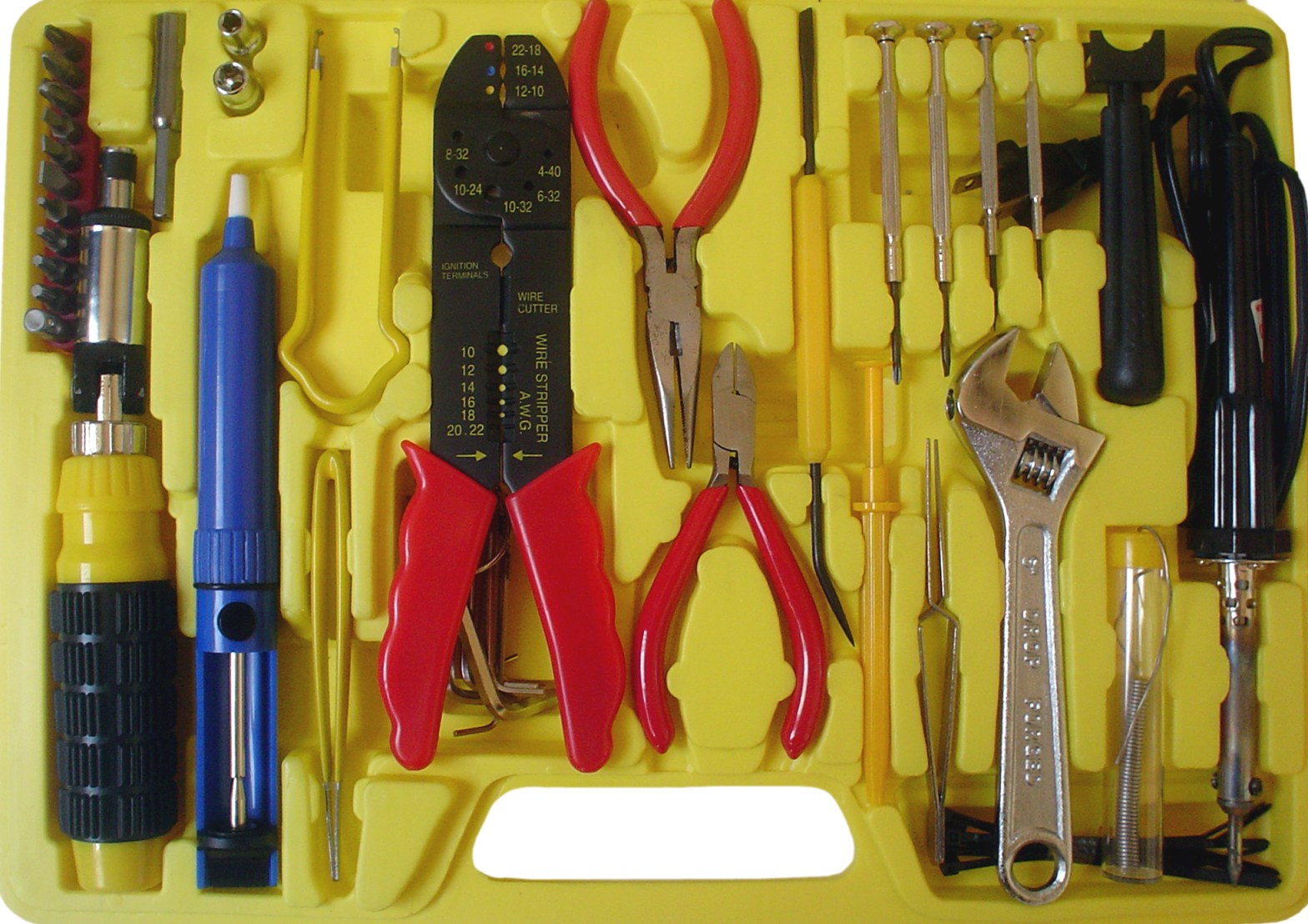
The process of preparing an Individual Family Service Plan (ages birth to three) or an Individualized Education Plan (ages three to twenty-one), can be a nerve-wracking process for even the most resilient parent of a child with hearing loss. These meetings can be stressful, emotional, painful, confrontational… and good. While there are many factors thatContinue reading “Your IFSP/IEP Tool Kit”
Turning Three: Transition from Early Intervention

Part C of the Individuals with Disabilities Education Act (IDEA) stipulates that states must provide Early Intervention programs for children with disabilities/delays birth to age three and their families. Once a child qualifies (criteria vary from state to state, usually, the presence of a significant hearing loss is enough to qualify a child for PartContinue reading “Turning Three: Transition from Early Intervention”
 Elizabeth A. Rosenzweig