

I love making crafts with children in therapy. It provides a great way to engage children in a variety of pre-academic and fine motor skills while working on objectives in language, listening, and speech. Making something beautiful in therapy gives children a “talking point” to show off to friends and family members throughout the week,Continue reading “No More Naked Crafts!”
Tag Archives: Children
Let’s Make a Book!

If you give a therapist a book… she’s going to want to make one more. Here are some ideas for creating books in therapy to help develop children’s language and pre-literacy skills, as well as to encourage home carry-over of therapy objectives.
Choosing Toys for Children with Hearing Loss

This time of year, many parents ask me about how to choose the best toys for their child with hearing loss. Here are a few tips:
Step Away From the Prize Box: Building Internal Motivation in Children

During my undergraduate and graduate training, I had whole lectures, book chapters, and seminars devoted to the topic of behavior management and reinforcement — how to use primary reinforcers (food), token economies (how many check marks should equal a sticker? how many stickers to a lollipop?), prizes, rewards, and more.
Mapping a Cochlear Implant

Mapping (or MAPping) is the term for programming a cochlear implant to the specifications and needs of its user. While any cochlear implant user, or parent, caregiver, or family member of a CI user, has probably attended countless mapping appointments with an audiologist, the process is often confusing or poorly understood.
Phonological Awareness for Children with Hearing Loss
Phonological Awareness is the ability to detect, identify, and manipulate sounds and syllables in words. Phonological Awareness skills are CRUCIAL predictors of a child’s reading success. Children with hearing loss CAN develop phonological skills through listening.
Let’s Talk About Behavior

Discipline/behavior management is often the most difficult topic for professionals and parents alike. Children do not come with a user’s manual, and “bad” behavior can drive adults up a wall. Below are a few of my thoughts as well as some tried and true techniques that I have used to tame even the most trantrum-proneContinue reading “Let’s Talk About Behavior”
The Catch-Up Game: Children Who Receive Cochlear Implants “Late”

Lots of attention in the CI world is focused on children implanted young — often before one year of age. Research shows us that children who receive implants before two years of age have a significant advantage in the development of auditory, speech, and language skills (see Svirsky et, al, 2004 and Nicholas and Geers, 2007).
Crafts, Concepts, and Critical Elements

Arts and crafts projects are about far more the cutting, pasting, and bedazzling until your fingers are sore — they’re also a great way to work on critical elements and basic concepts (see explanations of these terms below).
Social-Emotional Development for Children
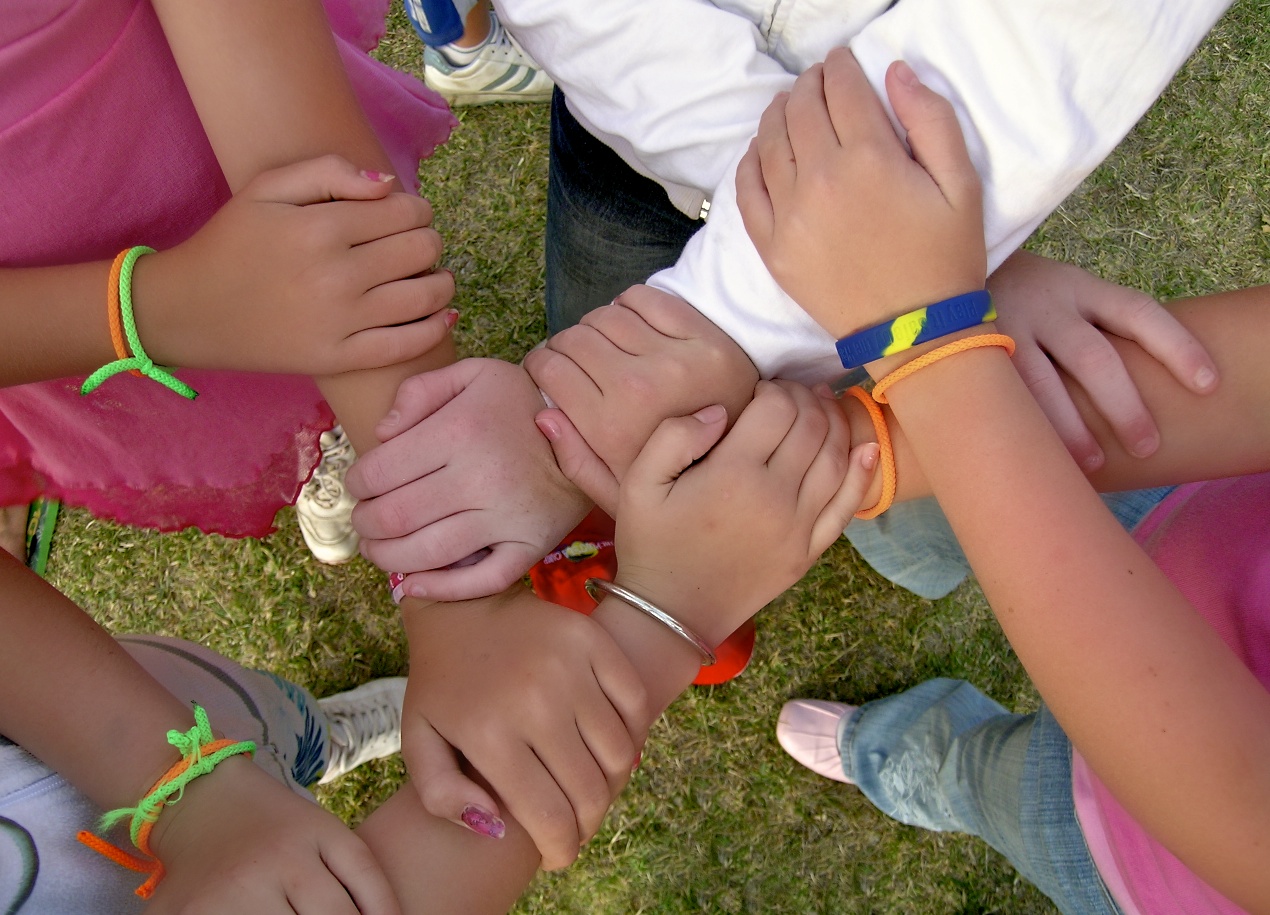
As a child grows, so do his abilities to socialize and interact with those around him. When children approach the beginning of formal schooling at about five or six years of age, a whole new world of social experiences opens up for them to explore. How can we help ensure that our children with hearingContinue reading “Social-Emotional Development for Children”
 Elizabeth A. Rosenzweig