

A cochlear implant is an implantable device that stimulates that auditory nerve of people with severe-profound sensorineural hearing loss. My basic* elevator speech explaining cochlear implants is as follows:
Tag Archives: Cochlear Implants
Binaural, Bimodal, Bilateral

BINAURAL Binaural means the ability of the auditory system to combine input from both ears to the brain.
What Is an Audiologist?
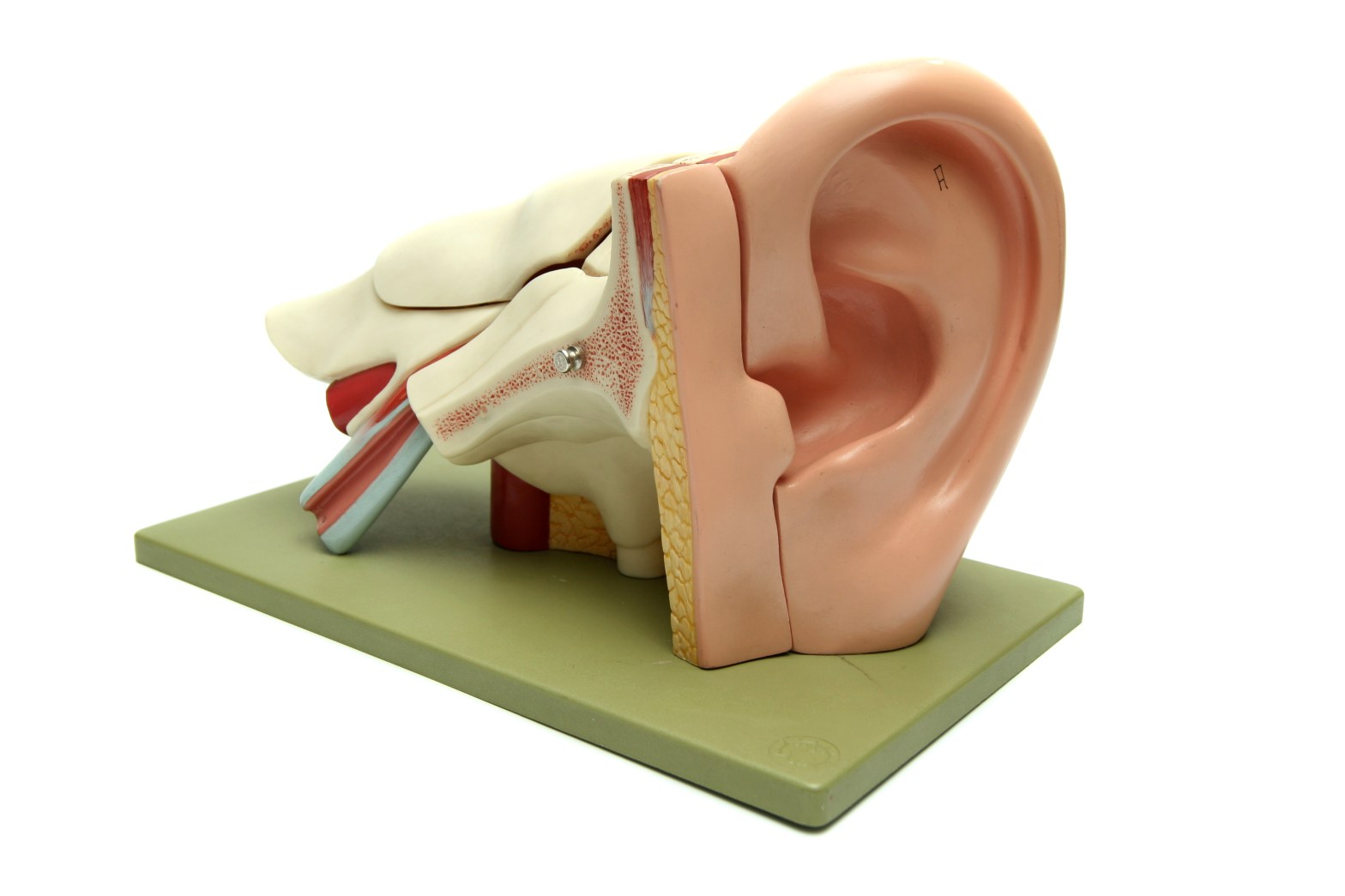
AUDIOLOGIST: An audiologist is a professional trained to diagnose and treat non-medical problems of hearing and balance. The entry degree for audiologists is either a clinical doctorate (AuD) or research doctorate (PhD), though audiologists used to be able to practice with a Master’s Degree, so some have been grandfathered in.
AG Bell 2012: Research Symposium
CLICK HERE for presentation handouts.
AG Bell 2012: Friday Concurrent Sessions
In this post: What Does Acoustic Accessibility Look Like and The Impact of Auditory Verbal Therapy on Literacy Skills.
The Cochlear Implant Process: From Identification to Candidacy to Activation and Beyond!

When you begin to investigate cochlear implants for your child or yourself, the amount of information, terminology, and decisions can seem overwhelming. Once you feel that you have a handle on things, someone throws another twist or curve your way. Don’t you just want someone to hold your hand and walk you through the processContinue reading “The Cochlear Implant Process: From Identification to Candidacy to Activation and Beyond!”
Tips for CI Surgery Day

You’ve had the pre-operative tests, filed (and/or battled) with your insurance provider, and selected the device. The big day is finally here… it’s time for CI surgery day. Here are some tips to make the big day go as smoothly as possible:
Mapping a Cochlear Implant

Mapping (or MAPping) is the term for programming a cochlear implant to the specifications and needs of its user. While any cochlear implant user, or parent, caregiver, or family member of a CI user, has probably attended countless mapping appointments with an audiologist, the process is often confusing or poorly understood.
The Catch-Up Game: Children Who Receive Cochlear Implants “Late”

Lots of attention in the CI world is focused on children implanted young — often before one year of age. Research shows us that children who receive implants before two years of age have a significant advantage in the development of auditory, speech, and language skills (see Svirsky et, al, 2004 and Nicholas and Geers, 2007).
What to Do While Waiting for Your Baby’s Cochlear Implant

Currently, the United States Food and Drug Administration recommends cochlear implants for children twelve months of age or older. While many surgeons are operating on children under this age (remember, it is just a guideline, not a rule or law, and research has shown no increased safety concerns in operations before twelve months; see Dettman et. al,Continue reading “What to Do While Waiting for Your Baby’s Cochlear Implant”
 Elizabeth A. Rosenzweig